
Becoming a homeowner is exciting, but it also comes with responsibility. Regular maintenance helps protect your investment, keeps your home safe, and saves money on costly repairs. To make things easier, here’s a new homeowner checklist with seasonal and year-round home maintenance tips.
A home isn’t just a place to live, it’s one of your biggest financial assets. Skipping routine care can lead to expensive repairs later, from roof leaks to broken HVAC systems. Consistent upkeep helps:
Here are essential tasks every homeowner should keep on their radar:
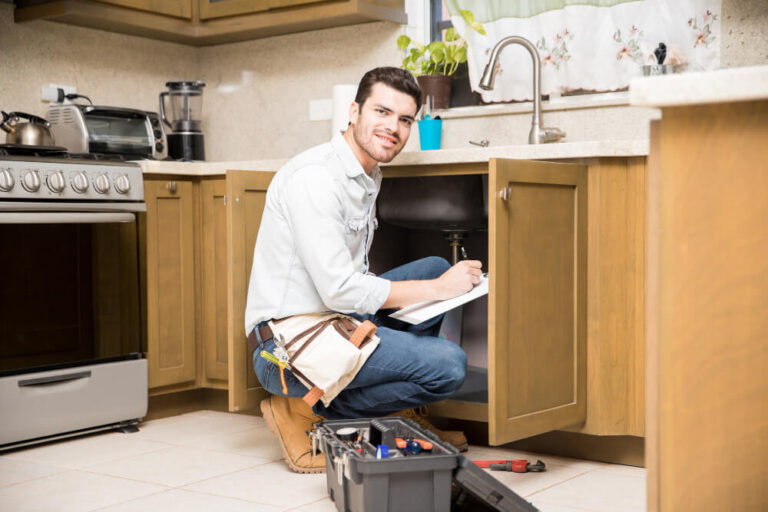
Seasonal Home Maintenance Checklist
Breaking tasks down by season makes them easier to manage.
Spring
Summer
Fall
Winter
Experts recommend setting aside 1–3% of your home’s value per year for maintenance. For example, if your home is worth $300,000, budget at least $3,000 annually. Keep a “home fund” for unexpected repairs like roof leaks, water heater replacements, or HVAC failures.
You can also save money by doing some preventive maintenance yourself while hiring licensed professionals for major systems like electrical, plumbing, and roofing.
Compare quotes from multiple contractors before committing. Use our trusted contractor directory to find vetted pros in your area.
Not all home maintenance tasks need a pro, but some definitely do.
DIY friendly: Replacing air filters, cleaning gutters, sealing windows, and landscaping.
Hire a pro: Roof inspections, electrical repairs, HVAC tune-ups, foundation work.
Trying to tackle complex jobs on your own can actually cost more if mistakes happen. A certified professional ensures safety and quality.
Homeownership is about more than just a roof over your headit’s about protecting your future. Join the Owning Your House
community for trusted home maintenance tips, resources, and connections to reliable pros.
The good news? There are ways to lower what you owe at the closing table:
1. Shop Around for Lenders – Compare loan origination fees and interest rates.
2. Ask About No-Closing-Cost Mortgages – Some lenders roll fees into the loan, but you’ll pay slightly higher interest.
3. Negotiate with the Seller – Especially in a buyer’s market, sellers may agree to cover part of your closing costs.
4. Look for Assistance Programs – Many state and local programs help first-time buyers with down payments and closing costs.
Closing costs are an unavoidable part of buying a home, but they don’t have to be a surprise. By understanding what’s included, who pays what, and how to prepare, you’ll walk into closing day with confidence.
At Owning Your House, we help guide you through every step of the homebuying process from mortgage approval to closing day. If you’re ready to buy or just want to better understand your options, connect with one of our trusted mortgage or real estate partners today.
You’ve saved a few homes!
Enter your email address and we will send you a link to change your password.
You may be eligible to receive up to $4,500 in rebates and incentives when you use the OwningYourHouse.com network of trusted partners.
Click the button below to receive more information now.
OwningYourHouse.com helps Florida home buyers and sellers across Miami, Orlando, Tampa, Jacksonville, Fort Lauderdale, West Palm Beach, Sarasota, and statewide markets connect with verified real estate agents, lenders, and title partners.
Florida members gain real estate rebates, incentives, and exclusive savings by staying within our trusted network.
From South Florida’s luxury condos to Central Florida suburbs to Gulf Coast communities, our Florida partners provide expert support, local market knowledge, and a straightforward path to homeownership—with real financial benefits.

Here are the 3 homes you saved:
Enter your info and an advisor will contact you within 24 hours.
Your trusted advisor will reach out within 24 hours.
To view your saved homes, please provide your contact details.
Enter your info to save and compare your favorite properties.
Your homes are saved. A member of our team will be in touch shortly.
You've found 3 homes you love! Enter your details below to save them and get more info.
Just one more step. Where can we send your saved listings?
Your homes are saved. A member of our team will be in touch with you shortly.